Cycle Tourism in South Korea
Bruce Robertson
South Korea has quietly become one of Asia’s most compelling destinations for cycle tourism. Over the past decade the country has combined world-class cycling infrastructure, rich cultural routes and a growing roster of specialist operators to create experiences that appeal to both casual riders and serious cycle tourists.
A personal starting point and early momentum
"I first visited South Korea for the launch of their official cycle tourism program in 2013 as a guest of The Korean Tourism Organization. I have returned twice since, also for bike tours.”
“And although the growth has been somewhat slow or spasmodic, in a little over a decade I think it has worked. And deservedly so - the cycling infrastructure and network are fantastic. Not to mention the unique culture and history to be discovered along the way."
How big is tourism in South Korea today?
South Korea’s inbound tourism has rebounded strongly since the pandemic. The country received 11.03 million international visitors in 2023 and continued recovering to 16.36 million visitors in 2024, a 48% increase year on year.
Economically, tourism is a major sector: recent analyses report that the travel and tourism sector generated record revenues and employment gains in 2023, with national tourism receipts and related economic indicators showing strong recovery.
Cycling-specific market trends and forecasts
While national tourism figures set the context, the bicycle trip market in South Korea is a distinct and fast-growing niche. Market research estimates put the South Korea bicycle trip market at about USD 72.2 million in 2024, with a projected compound annual growth rate (CAGR) of roughly 15.7% through 2035, reaching an estimated USD 360 million by 2035.
This growth is driven by several factors:
- Improved infrastructure (dedicated riverside and coastal cycleways, signage and bike-friendly public transport).
- Rising interest in sustainable and active travel, including e-bikes that broaden the market to older riders and mixed-ability groups.
- Government and data-driven tourism planning, such as the Korea Tourism Data Lab, which helps local authorities and operators design routes and services based on mobility and spending data.
Operators and product variety
The market now features a mix of local specialists and international tour operators. Local names include WeRide Korea, GOSAT Route & Find, and Teamax Adventure; international operators active in Korea include SpiceRoads Cycling, Intrepid Travel, Saddle Skedaddle, Freewheeling Adventures and others. These operators offer everything from short, guided day rides to multi day cultural routes that link UNESCO sites, temple towns and coastal scenery.
Why South Korea works for cycle tourists
Key strengths that make South Korea attractive to cyclists:
- Extensive, well-maintained cycle networks
- (riverside greenways, coastal routes and quiet country roads).
- High-quality transport links
- (easy bike transfers on trains and buses, and international access via Incheon).
- Cultural density - short distances between historic sites, markets and culinary experiences that work well as daily ride destinations. (Quoted from the attached notes: “Not to mention the unique culture and history to be discovered along the way.”)
Challenges and practical considerations
Cycle tourism in Korea is growing, but there are practical challenges operators and riders should consider:
- Seasonality - winter and monsoon seasons limit year round operations in some regions.
- Fragmented product standards - while infrastructure is strong, service standards (bike quality, English-language support) can vary by operator and region.
- Safety and insurance - riders should check local insurance and helmet laws; e-bike regulations are evolving as the market expands.
Opportunities for operators and destinations
- Package diversification: combining cycling with culinary, temple-stay or K culture experiences to lengthen stays and increase per visitor spend.
- Data-driven route design: using mobility and spending data (e.g., Korea Tourism Data Lab) to identify high value corridors and underserved markets.
- Sustainable positioning: promoting low impact travel and e-bike options to attract environmentally conscious travellers.
Practical tips for travellers
- Best time to go: spring (cherry blossom season) and autumn (clear skies and fall colours) for the most comfortable riding.
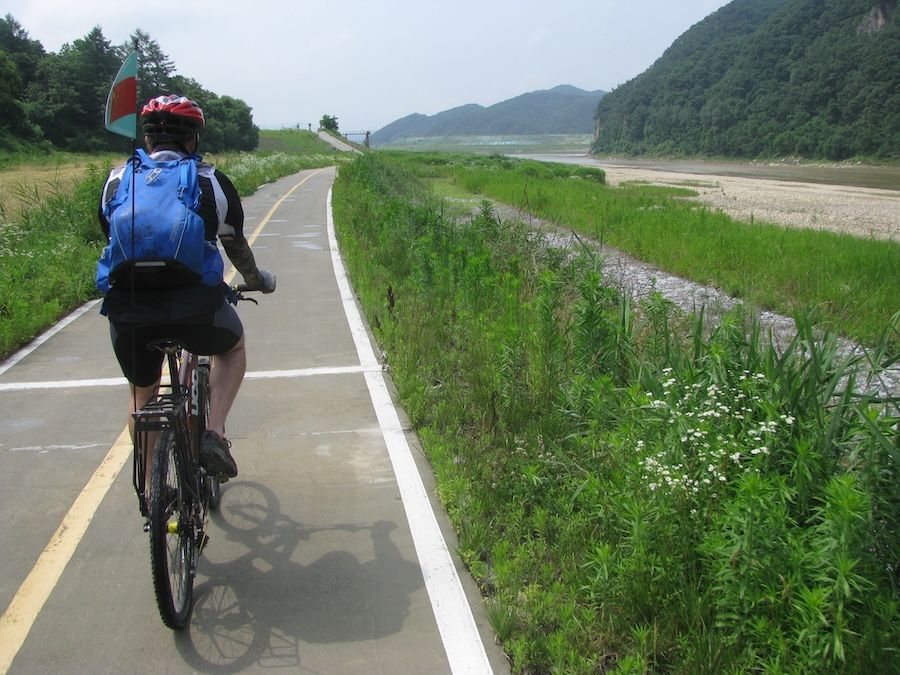
- Route planning: popular choices include riverside greenways (Han River), coastal stretches and island circuits; local operators can arrange luggage transfers and support vehicles.
- Booking: look for operators that provide multilingual guides, quality bikes (or e-bikes) and clear cancellation/insurance policies.
♢♢♢
Cycle tourism in South Korea has moved from a promising pilot in 2013 to a resilient and expanding niche within a recovering national tourism industry. The combination of strong infrastructure, data-informed planning, and a growing market of both local and international operators suggests the sector will continue to expand—both in visitor numbers and in the variety of experiences on offer. For travellers seeking a compact country with dramatic cultural contrasts and excellent cycling routes, South Korea now ranks among Asia’s most rewarding cycle tourism destinations.