
Where to Cycle in Denmark: Top Routes, Towns and Trails
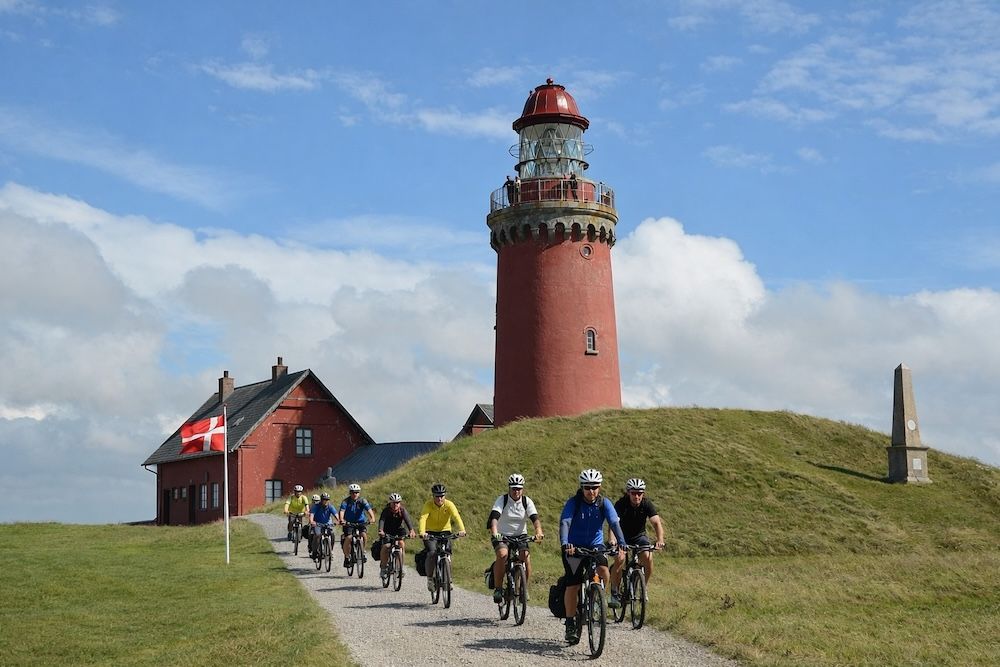
AI +Image by Frank P. from Pixabay
Denmark is one of the world’s easiest countries to explore by bike: compact distances, well-marked routes, flat-to-gently rolling terrain, and a culture that treats cycling as everyday transport. This guide breaks Denmark into key cycling regions and highlights the routes, towns, and trails worth building a trip around—plus what to stop for along the way.
Before you go: a few Denmark cycling basics
- Best season: Late spring through early autumn brings long daylight hours and the most services; shoulder seasons can be quieter but windier and cooler.
- Navigation: Look for Denmark’s numbered national cycle routes (e.g., N1, N8) and regional route signage; offline maps are still handy for detours.
- Ferries and bridges: Many classic rides stitch islands together by ferry—treat crossings as part of the experience and check schedules when planning daily distances.
- Bike types: A touring, hybrid, or gravel bike suits most routes; wider tyres help on coastal gravel and forest tracks.
- Pack for wind and showers: The terrain is often easy; the weather is the challenge. A light waterproof layer and windproof gloves go a long way.
Zealand (Sjælland)
If you want easy day rides from the capital, base yourself on Zealand. You’ll get beach towns, royal castles, UNESCO-worthy Viking heritage, and quiet country lanes—often reachable by S-train with your bike.
Signature rides
- North Coast (Copenhagen → Klampenborg → Helsingør): Follow the “Danish Riviera” past Bellevue Beach and forested parks to Kronborg Castle (the “Hamlet” castle). Add detours through Dyrehaven (the Deer Park) and the Louisiana Museum of Modern Art in Humlebæk.
- Rosklide & the fjord loop: Ride to Roskilde for the Viking Ship Museum and the cathedral, then continue on quieter roads along Roskilde Fjord for waterside cafés and birdlife.
- Stevns Klint and chalk-cliff coast: A rewarding southeast ride for dramatic coastline, old churches, and small harbours—great with a picnic and a windproof layer.
Best bases
- Helsingør: historic town centre, the castle, and quick links back to Copenhagen.
- Roskilde: cultural sights plus excellent cycling access around the fjord.
- Køge or Rødvig: handy for the Stevns peninsula and coastal riding.
Don’t miss
- Castle-hopping: Frederiksborg (Hillerød) and Kronborg (Helsingør) are classic add-ons.
- Harbour swims and beach stops on the north coast—plan one long café stop and one quick swim stop.
- Farm shops and roadside bakeries: Zealand is made for “snack pacing”.
Copenhagen – city cycling
Copenhagen is a cycling city first and a sightseeing city second—meaning the fastest way to see it is often from the saddle. Build your days around short rides with lots of stops rather than one big “tour”.
Easy city loops
- Harbour loop: Nyhavn → Opera House view points → Christianshavn canals → Reffen street food → swim stop at harbour baths (seasonal).
- Parks & palaces: The Lakes → Nørrebro cafés → Frederiksberg Gardens → Vesterbro food halls and bakeries.
- Design & neighbourhoods: Østerbro and Nordhavn for modern waterfront architecture, then back through the city centre for galleries and shopping streets.
What to see and do between pedals
- Christianshavn: canal streets, churches, and a strong “bike-and-wander” vibe.
- Nørrebro: second-hand shops, coffee, and some of the city’s best casual eats.
- Amager: green spaces and coastal riding—ideal if you want a breather from city traffic.
Ride-smart tips
- Expect bike traffic and respect local etiquette: keep right, signal turns, and don’t stop in the middle of bike lanes.
- Use the city as a “hub” rather than trying to carry luggage through the centre; many riders day-trip by train.
Funen / Fyn (and the island-hopping heartland)
Funen sits between Zealand and Jutland and is often called Denmark’s “garden island”: orchard country, manor houses, and sheltered coastlines. It’s also your launchpad for some of Denmark’s best small-island riding.
Signature rides
- Odense day loops: Base in Odense (Hans Christian Andersen’s hometown) and ride quiet roads to Egeskov Castle (storybook turrets, gardens, and museums) or to the coast for a beach-and-fish-lunch day.
- South Funen Archipelago route: Ride from Svendborg across bridges and ferries into a patchwork of islands and seaside villages—slow travel at its best.
- Coastal villages and harbour-to-harbour: Pick a stretch and connect small ports with short daily distances and long café stops.
Best bases
- Odense: urban comforts, museums, and easy rail links.
- Svendborg: a classic bike-and-ferry hub for island hopping.
- Faaborg: an artsy coastal town with quick access to scenic backroads.
Don’t miss
- Castle gardens and estate lanes—Funen is made for “roll-and-look” riding.
- Harbour dinners: order local fish, then bike a gentle evening loop along the water.
- Ferry picnics: in the archipelago, crossings are short but memorable—arrive early and treat them like viewpoint stops.
Jutland (Jylland): dunes, fjords, forests and big-sky distances
Jutland is where Denmark feels wide open: long beaches, dune landscapes, heath and pine forest, and some of the country’s most “touring-style” multi-day routes. Wind plays a bigger role here—plan your direction with it when you can.
Where to ride
- West Coast (North Sea) touring: Big horizons, sea air, and classic dune scenery. Expect exposed riding—rewarded by beaches, lighthouses, and small surf towns.
- East Coast & Aarhus area: Gentler terrain, bays and beaches, and a strong mix of city culture and countryside lanes.
- Lake District & forests (Silkeborg region): More rolling climbs, forest tracks, and lakeside viewpoints—ideal if you want nature and a slightly bigger workout.
- Fjord riding (Limfjord and beyond): Water on both sides, quiet roads, and plenty of places for a “cake stop” with a view.
Best bases
- Aarhus: Denmark’s second city, great food scene, and easy day rides to beaches and forests.
- Silkeborg: a strong base for lake-and-forest loops.
- Skagen (far north): iconic light, sandy landscapes, and “end-of-the-world” vibes.
Don’t miss
- Sunset beach rides on the west coast followed by a warm meal—pack layers for the ride back.
- Museum-and-ride days in Aarhus (city culture first, countryside loop after lunch).
- Forest detours: even on a road tour, short gravel sections can deliver the best scenery in Jutland.
The Islands
Denmark’s smaller islands are where cycling becomes wonderfully slow: short distances, frequent swims, tiny harbour cafés, and ferry rides that feel like part of the route. Mix and match islands to build an easy multi-day trip, or pick one and ride every road.
South Funen & nearby islands: Ærø, Tåsinge, Langeland (plus Funen’s south coast)
- Ærø: A postcard island of cobbled town streets, beach lanes, and short climbs. Spend time in the harbour towns, then ride the quiet interior for viewpoints and picnic spots.
- Tåsinge: Best as a bridge-linked add-on from Svendborg—perfect for a half-day loop with coastal views and village stops.
- Langeland: Long, narrow, and calm—great for steady, low-traffic kilometres and “harbour-to-harbour” pacing.
East Jutland islands: Als and Samsø
- Als: A gentle island with forests, beaches, and small towns—good for relaxed loops and family-friendly riding.
- Samsø: Compact, quiet and famously easy to cycle in a day or two. Expect farm stands, beach detours, and short distances that leave time for long lunches.
Southern islands: Lolland and Falster
- Come here for flat, easy touring and wide landscapes. It’s ideal if you want to rack up comfortable kilometres, especially as part of a longer route toward Germany.
- Look out for coastal dikes, birdlife, and low-key seaside towns—less “headline sights”, more peaceful riding.
Møn
- Why ride it: Møn is a standout for scenery. Add a day for coastal roads, forest detours, and the famous white chalk cliffs at Møns Klint.
- What to do: Walk the cliff trails, visit viewpoints, and plan your timing for the best light (morning or late afternoon).
Bornholm
- Why ride it: Bornholm is Denmark’s cycling “micro-world”: varied coast, forest, short punchy hills, and classic seaside towns—often ranked as one of the best places in the country for a dedicated bike holiday.
- What to do: Ride a full perimeter loop over several days, stop for smoked fish, detour to round churches, and spend an afternoon on the beaches.
Cross borders: Germany, Sweden, Norway (and “epic” ideas)
If you want a longer, more “continental” bike journey, Denmark is an ideal connector: bridges, ferries, and international trains let you stitch together routes to neighbouring countries without needing a car.
Denmark → Germany
- Best for: turning an island tour into a multi-country trip.
- Use the southern islands (Lolland/Falster) and South Jutland as stepping stones, then continue into northern Germany for longer-distance touring.
Denmark → Sweden
- Best for: a city-to-nature contrast (Copenhagen culture into Swedish coastal riding).
- Combine Copenhagen city loops with rides on Zealand’s north coast, then cross to Sweden for new landscapes and a change in cycling rhythm.
Denmark → Norway
- Best for: an “easy miles first, mountains later” progression.
- Start with Danish islands and Jutland for steady touring, then move north to Norway when you’re ready for bigger climbs and more remote scenery.
How to choose (and combine) regions
- For first-timers: Copenhagen + a North Zealand day ride is the easiest win.
- For classic Danish “slow travel”: Base in Funen (Odense or Svendborg) and add a couple of small islands by ferry.
- For a dedicated cycling holiday: Choose Bornholm or a multi-day Jutland tour where you can settle into a daily rhythm.
- For big mileage and multi-country bragging rights: Build a southbound route toward Germany or link Copenhagen with Sweden, saving Norway for the final “mountain chapter”.
Wherever you go, the Denmark cycling superpower is flexibility: you can shorten a day with a train, extend a day with a ferry detour, or turn a quick coffee stop into a two-hour harbour lunch. Plan a route—but leave room for the kind of spontaneous pauses that make cycling trips memorable.