
Riding Through Tirana’s Past and Present
Bruce Robertson
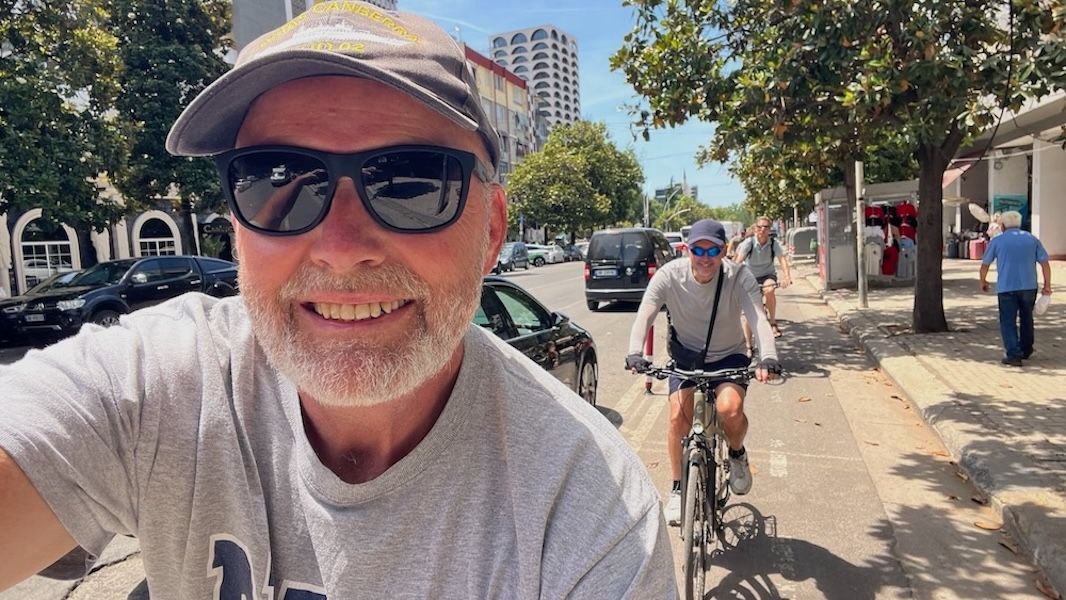
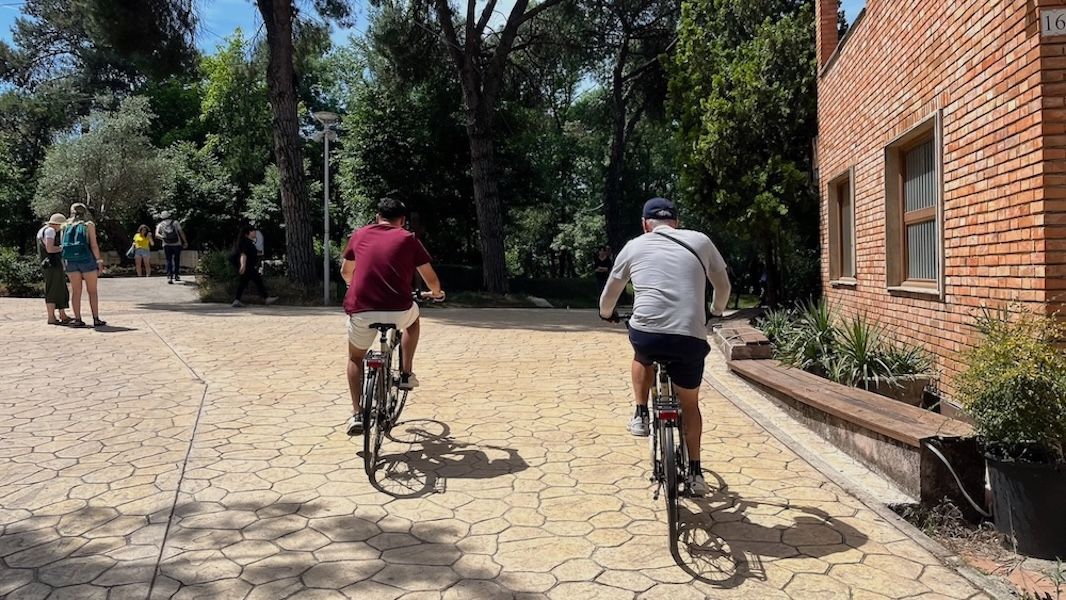
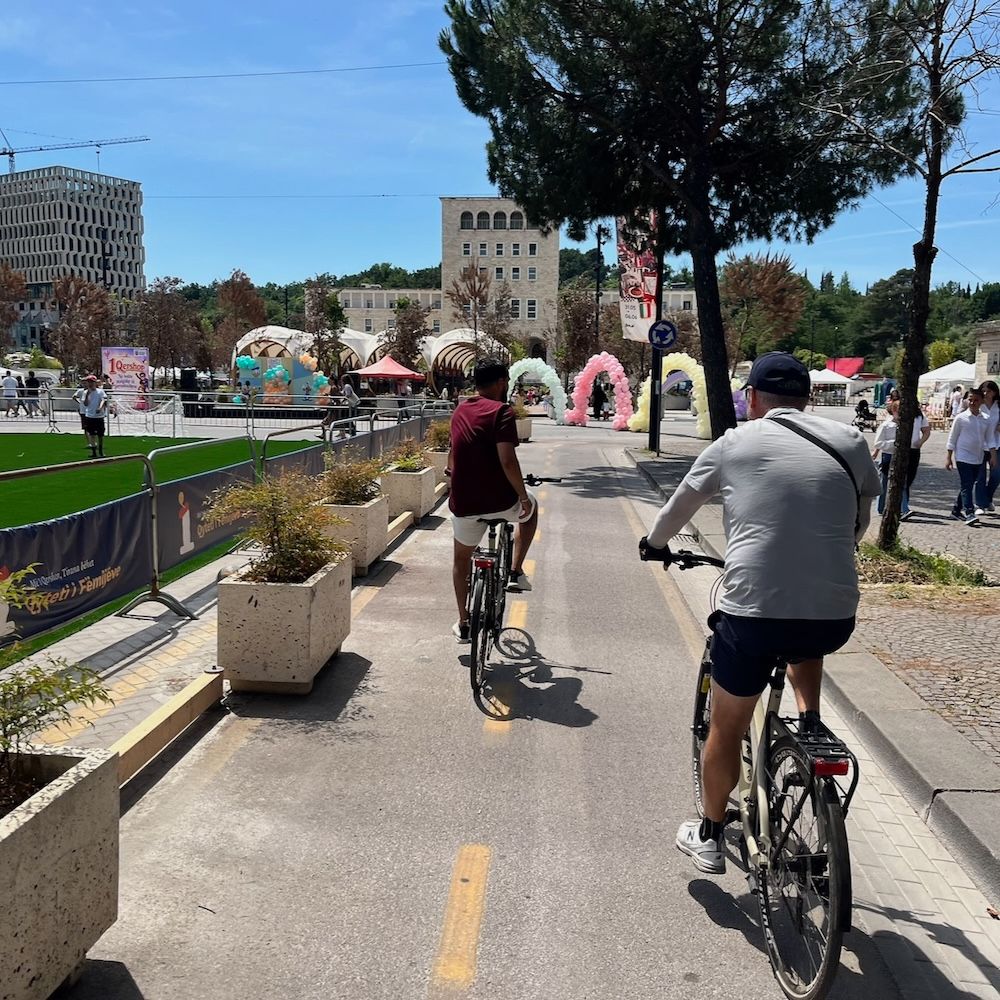
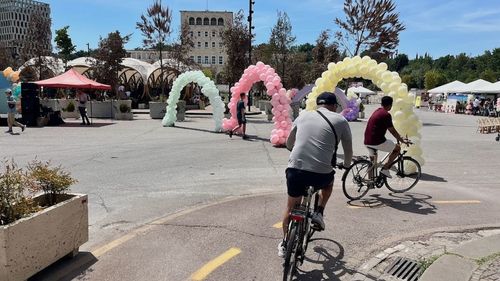
As with most cities a bike tour is the ideal way to get to know a city. We covered less than 10 kilometres in Tirana, but this tour was never really about distance. It was about moving through the city quickly enough to see a lot, yet slowly enough to absorb its texture and character in a way that would have been impossible from inside a vehicle. With Santiano guiding us, it struck exactly the right balance.
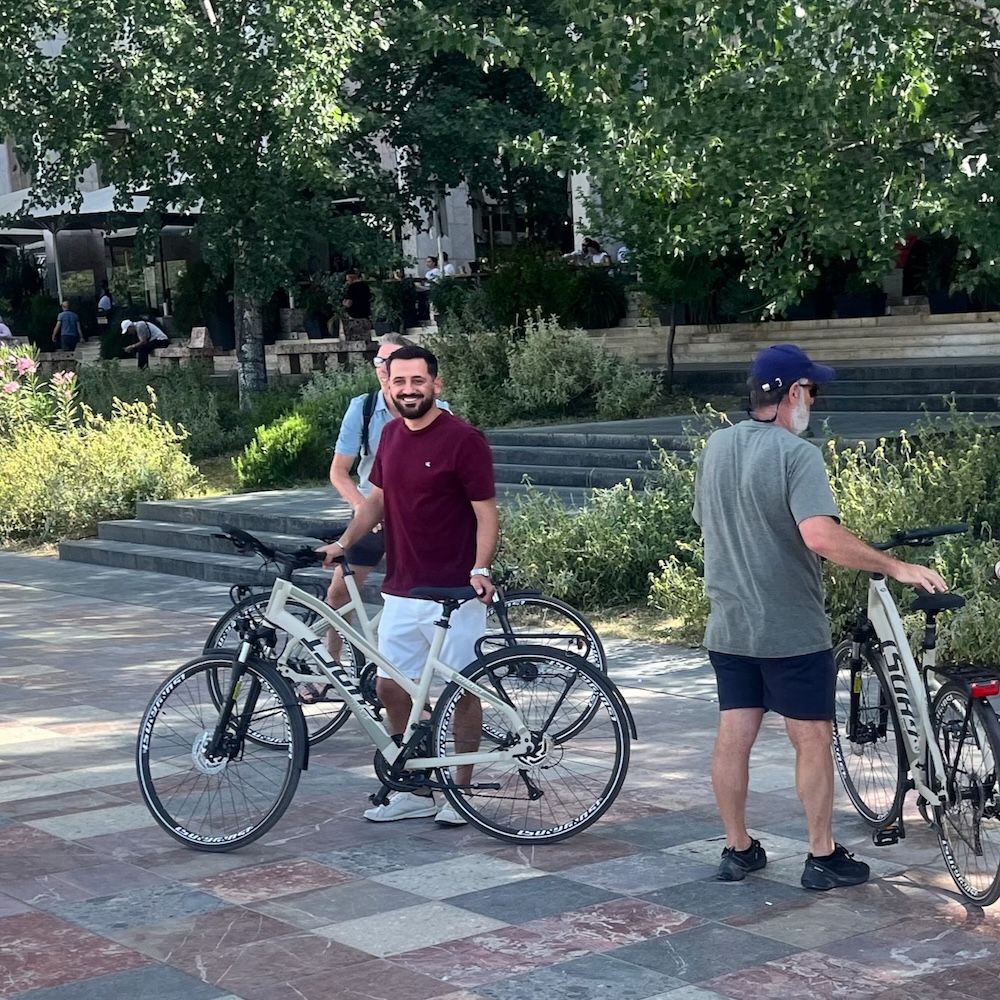
The bikes themselves were excellent, though one small improvement would have made us laugh a little less at every stop: some sort of number or sticker on each bike. They all looked identical, and I repeatedly found myself trying to remember which bike was mine.
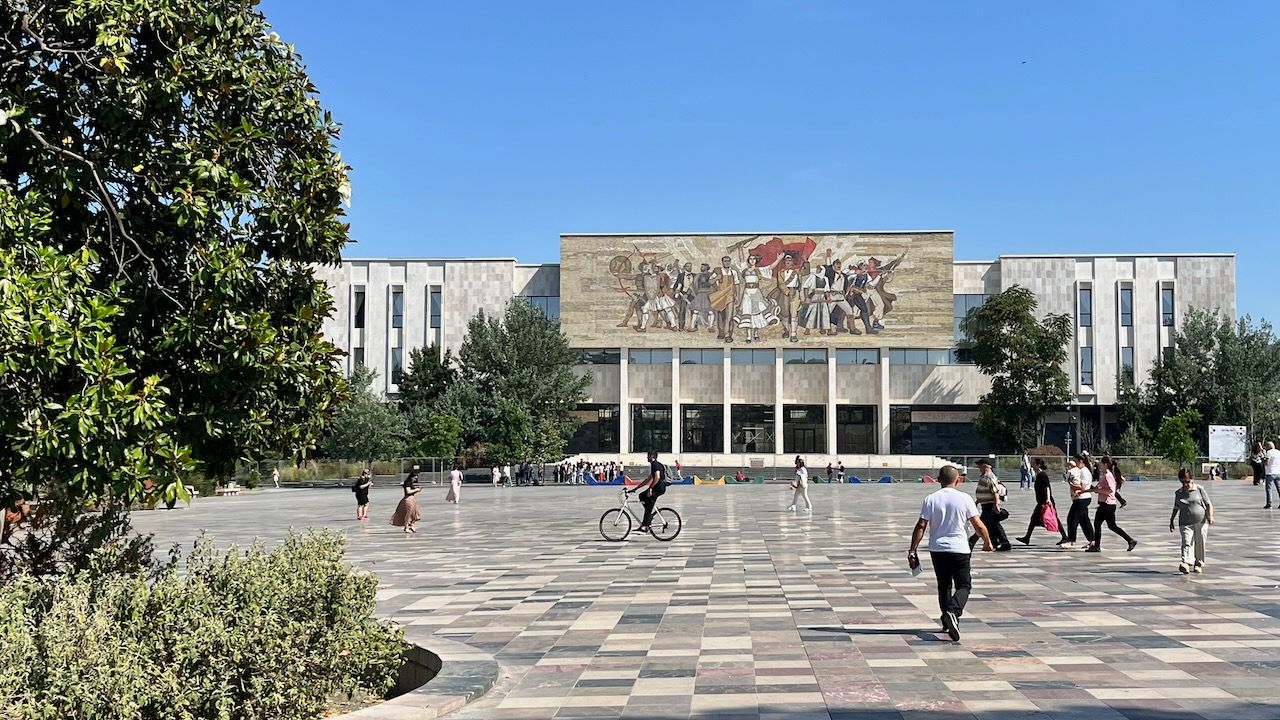
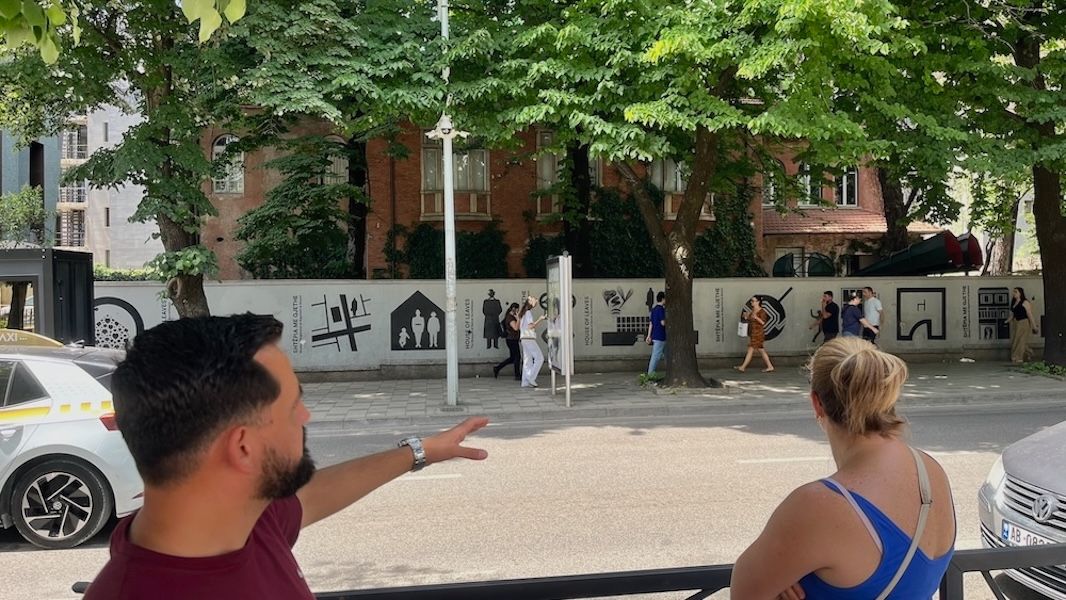
There was not actually that much riding during the morning but the value of the tour came from Santiano’s commentary. Our first stop was Skanderbeg Square, where he gave us a concise but powerful overview of Albanian history, weaving in contemporary politics and social change as we went.
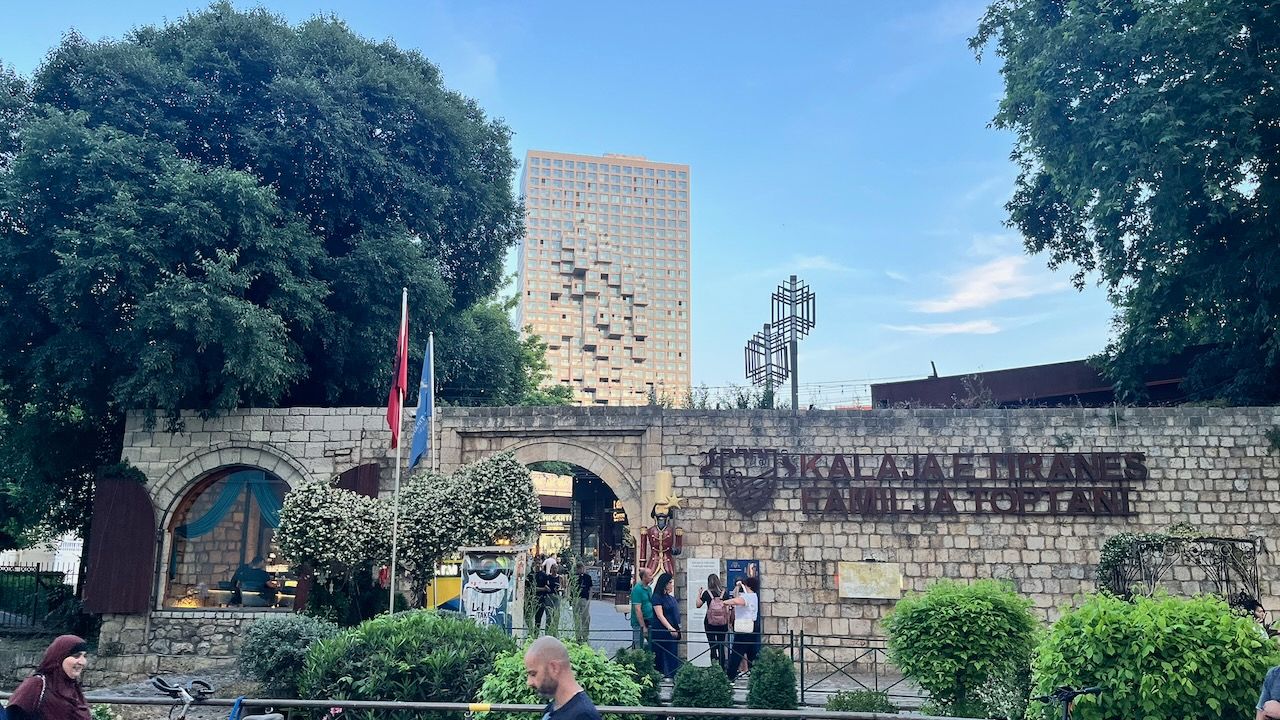
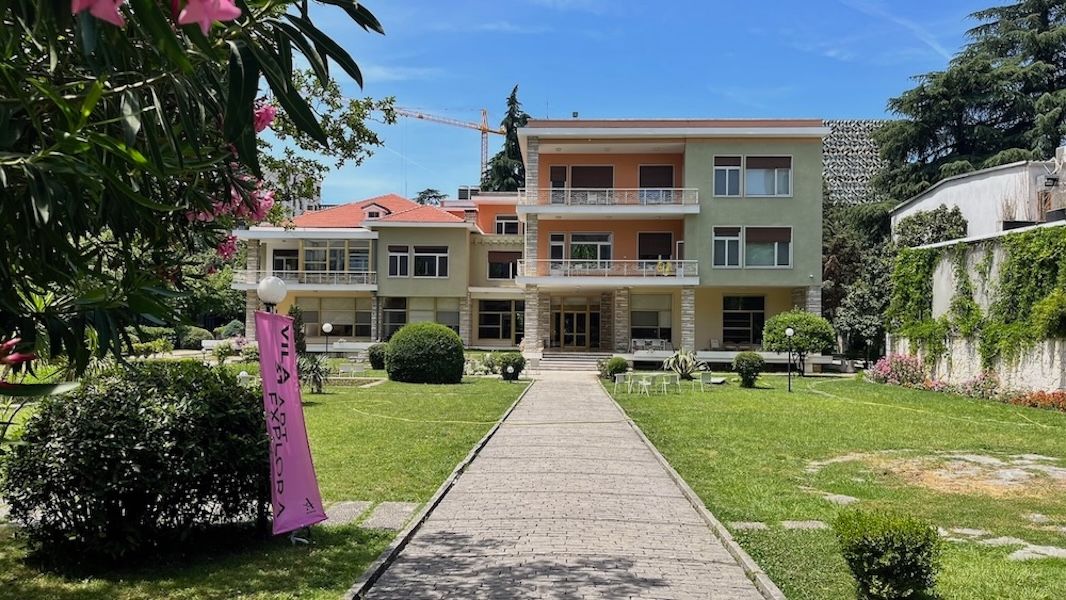
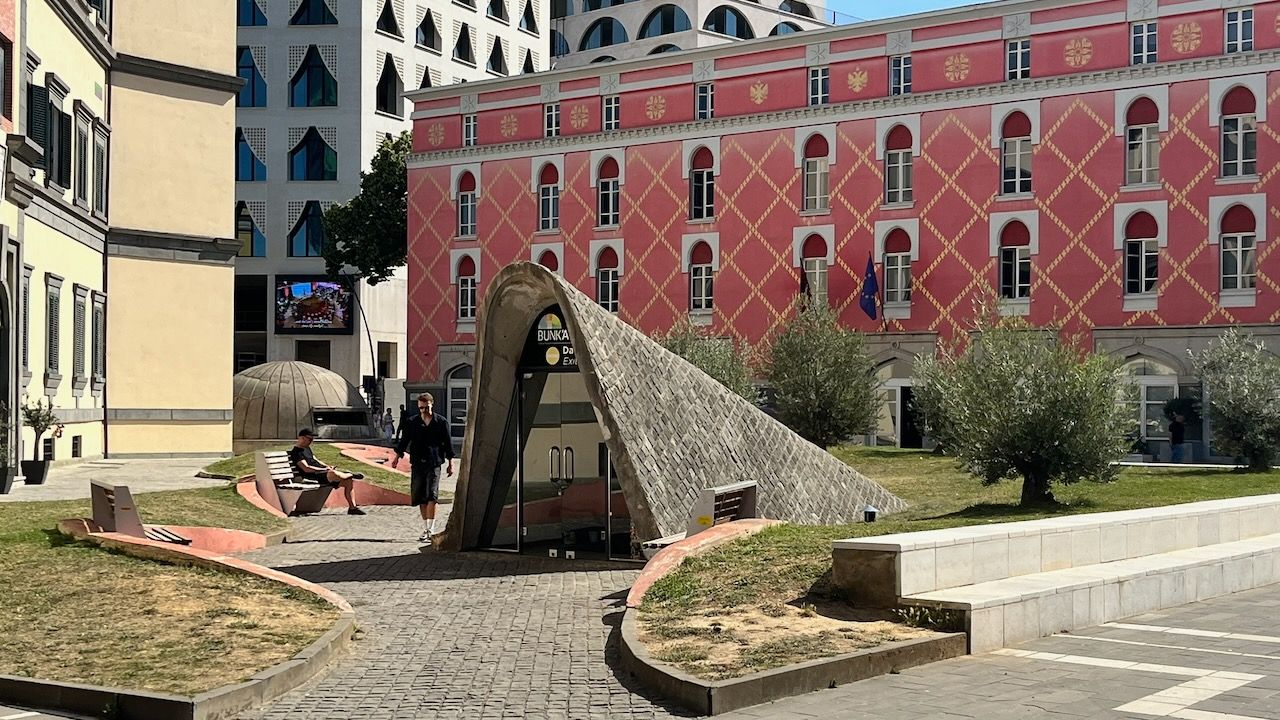
My overall impression of Tirana, and of Albania more broadly, was of a country modernising at remarkable speed after more than fifty years of near-total isolation from the rest of the world, a period that only ended in the early 1990s. Albania gained independence from the Ottoman Empire in 1912, but its twentieth century was turbulent: increasingly autocratic rule under Zog, then fascist occupation by Italy and later Nazi Germany, followed by the long communist years of Enver Hoxha. Because Albania was so sealed off, much of the cruelty and repression of that era passed largely unnoticed by the outside world. What struck me in Tirana was how directly that history is now being confronted. Museums, monuments, and buildings from the communist era are being placed in context rather than ignored. We stopped outside Bunk’Art 2, a large bunker and tunnel complex in the centre of the city, and even from the outside it conveyed enough of the atmosphere that we decided to go back after the tour for a fuller visit. Inside, the experience was often chilling.
Communism, of course, proclaimed equality, but only for those who stayed safely within the party line. Suspicion was everywhere, and even friends or neighbours could become informants. Meanwhile, the party elite lived very differently, with access to compounds and privileges denied to ordinary people. Orwell’s line came repeatedly to mind: “All animals are equal, but some animals are more equal than others.”
The thirty-five or so years since democracy returned have brought enormous change, much of it positive, though not all. Investment and development are reshaping the country at speed, but not always in ways that benefit residents or protect what is unique about the place.
Tourism, too, is developing rapidly, and with that comes its own pressure from opportunistic developers, often backed by foreign money.
A current example is the peaceful and growing opposition to the government’s support for a luxury resort near Vlora, in a protected wetland area, backed by Jared Kushner and Ivanka trump. It was a reminder that Albania’s future is still very much being contested, and not only in abstract political terms.
Albania is now a NATO member and a candidate for EU membership. There is still ground to cover before full accession, not least because corruption remains a serious issue, although there are signs it is being challenged. Santiano pointed out, for example, that Tirana’s mayor had recently been jailed.
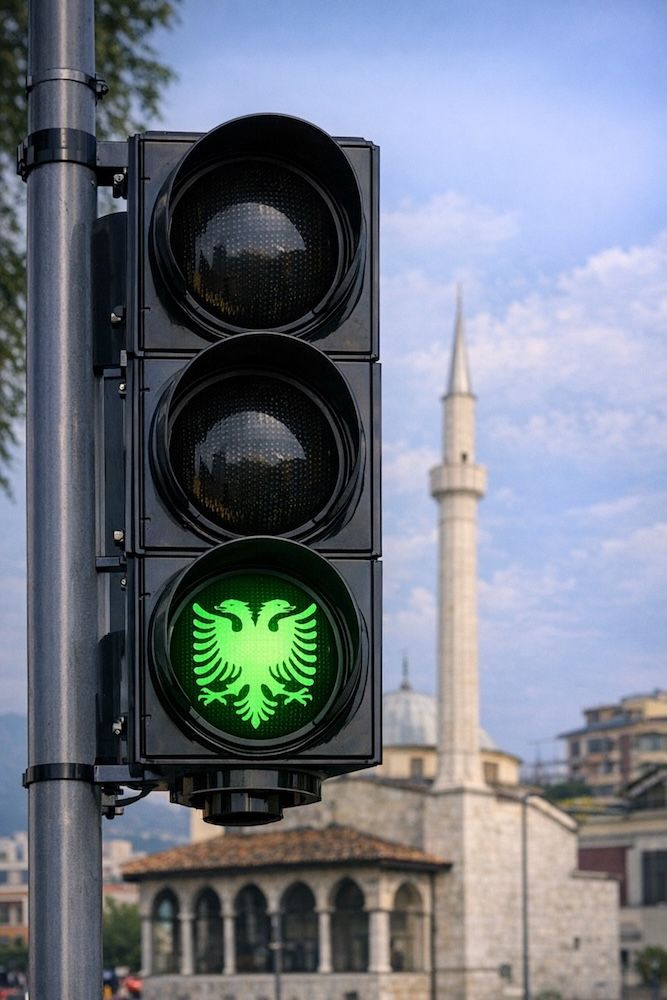
Some of the things I noticed were small but memorable. One was the traffic lights: not the usual plain red, amber, and green, but each one bearing the Albanian double eagle. It was such a distinctive detail, and exactly the sort of thing I might have missed had I been rushing around by car.
I was also struck by how patient and courteous the drivers were, at least in the city centre. In many European cities, cyclists and pedestrians have to assert themselves constantly, but in Tirana I felt that motorists were generally alert to us and willing to make space.
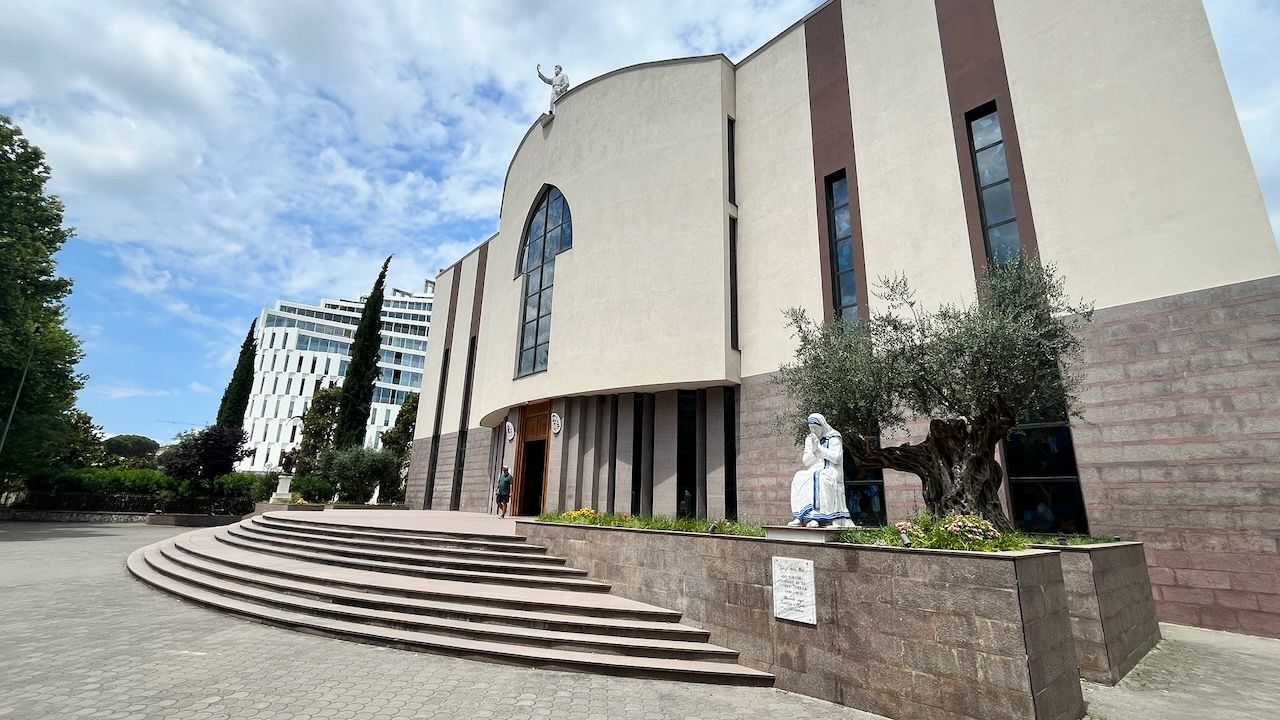
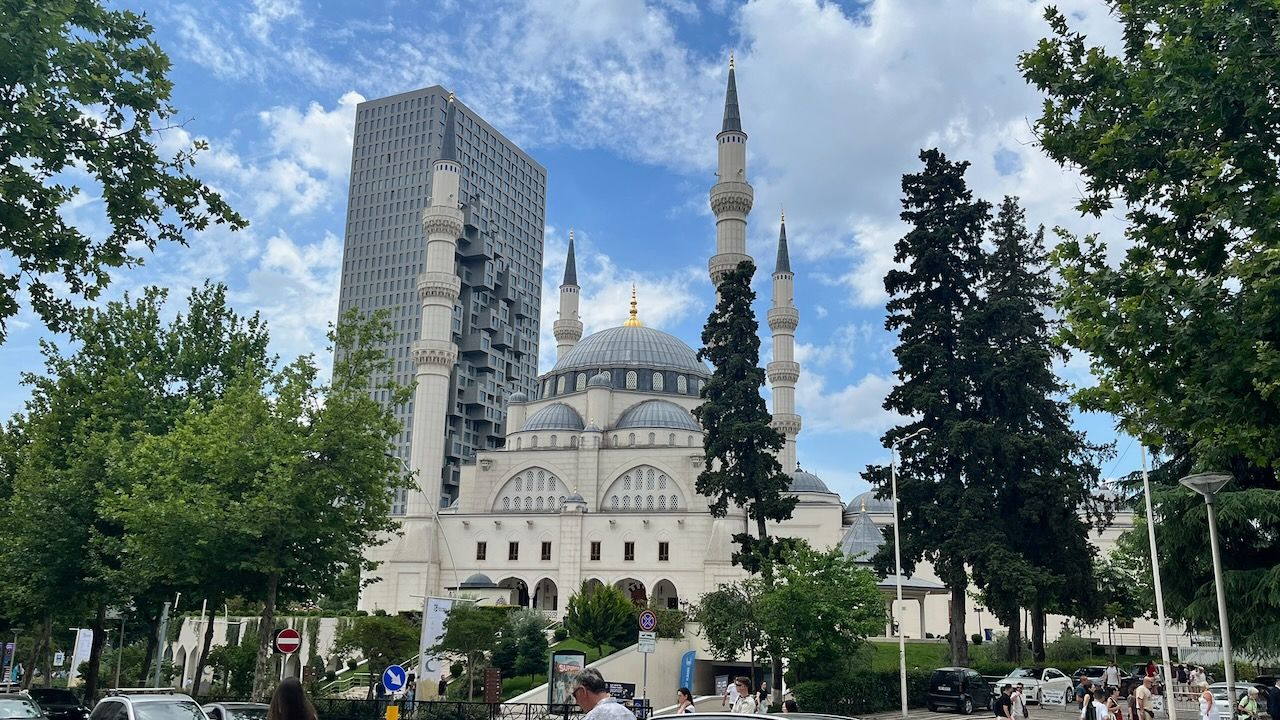
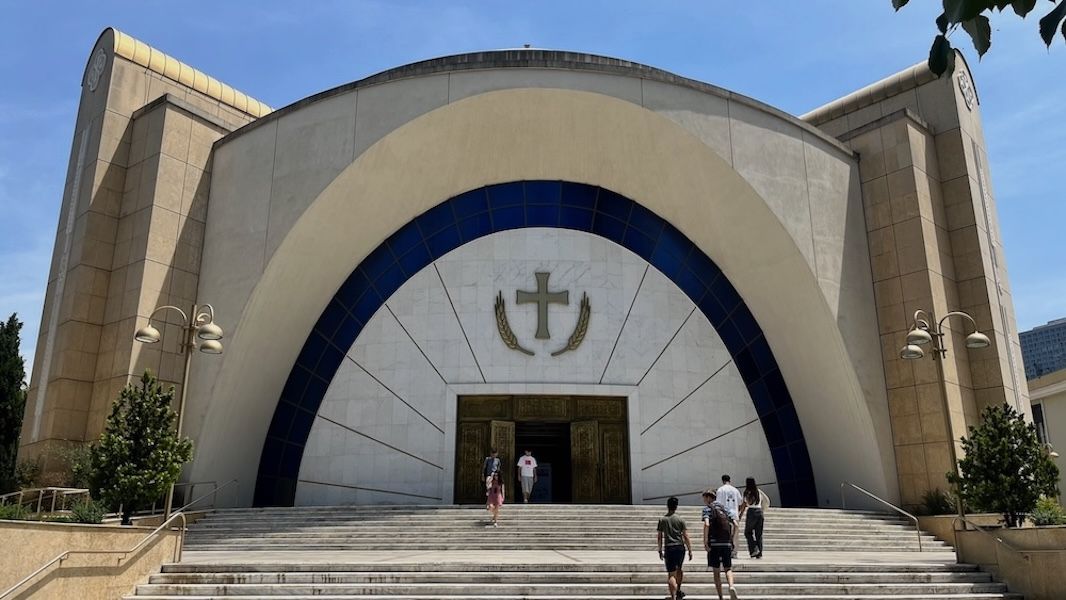
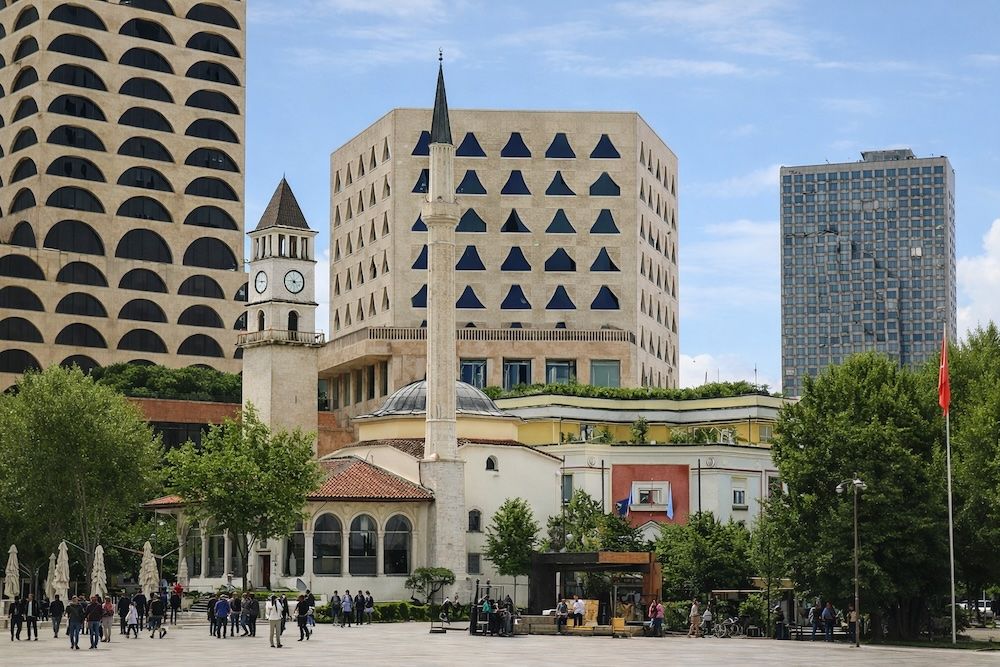
An even more significant impression was the degree of religious tolerance. Islam, Christianity, and those with no religion at all seemed to coexist with an ease that felt both genuine and unforced. I was told that even within the same family, people may follow different faiths without conflict. One moment captured this beautifully for me: walking through the main square, I heard the Muslim call to prayer from the mosque while, directly opposite, a bar was blasting dance music. Nearby stood both the Orthodox and Catholic cathedrals. It felt somewhat chaotic, but also quietly admirable. There are places elsewhere in the world that could learn from Albania’s example.
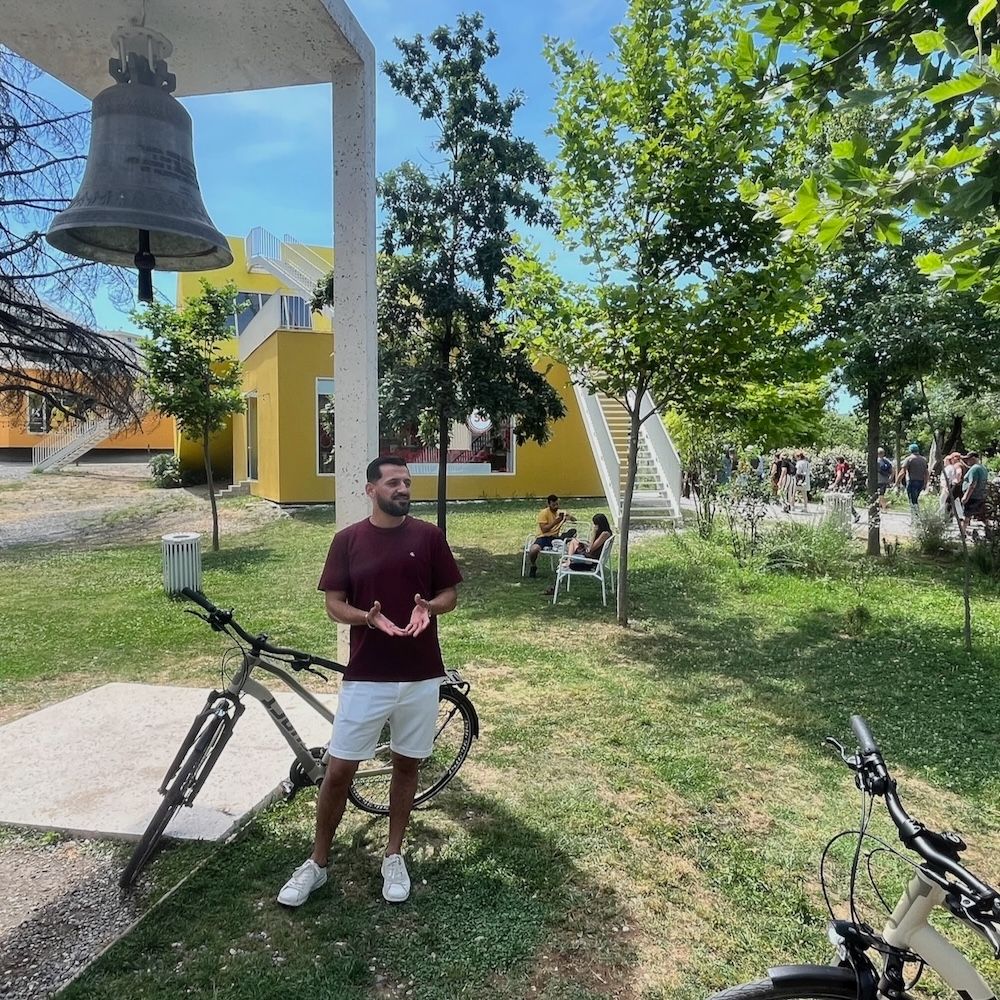
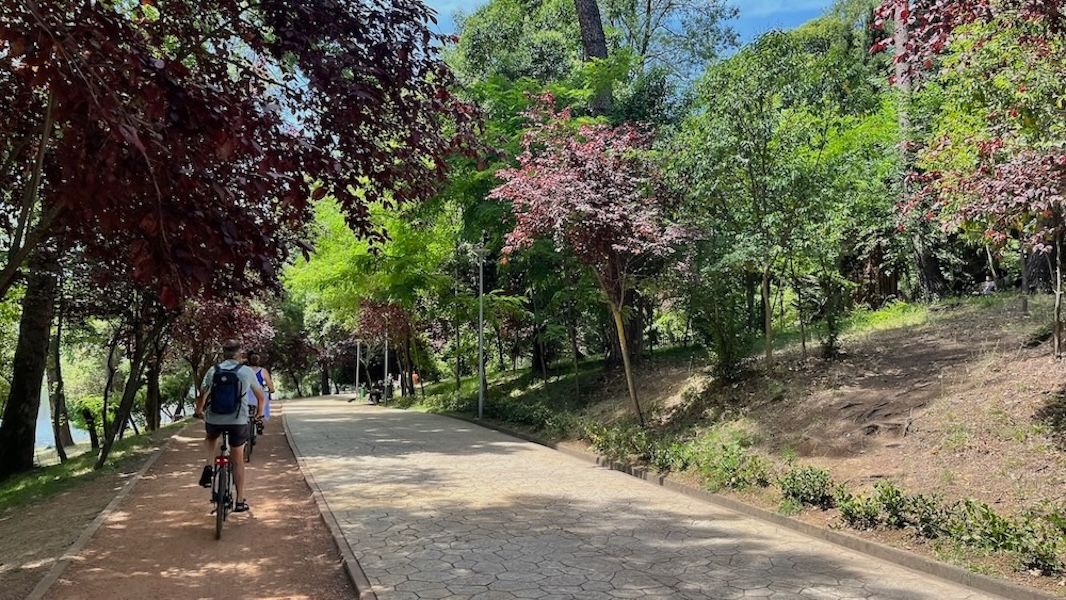
As for the tour itself, one of my favourite pauses was our morning coffee stop at Lake Tirana, an artificial lake in a large park created in 1956. After the historical density of the city centre, the setting felt calm and restorative.
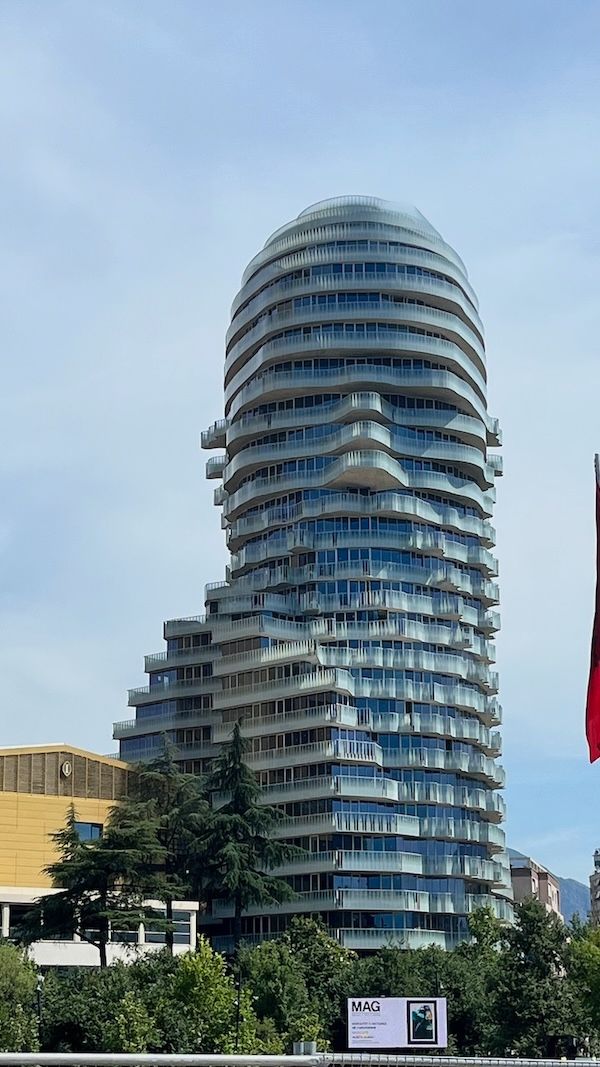
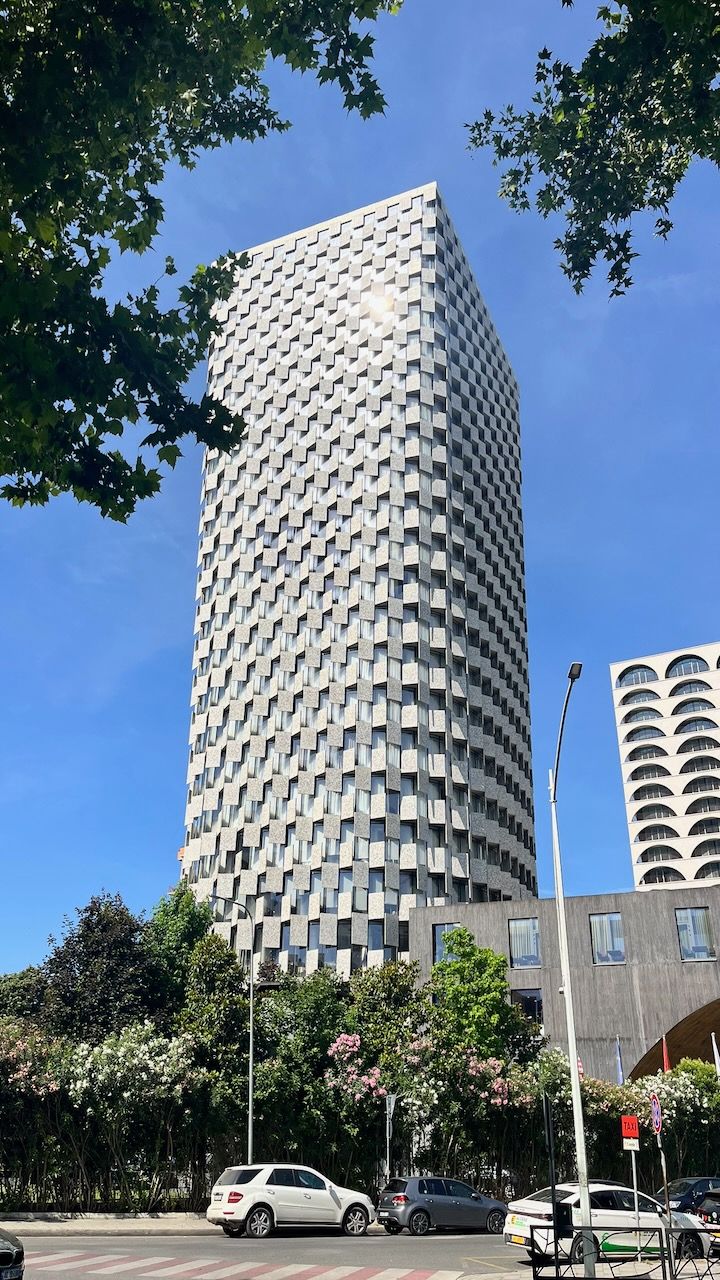
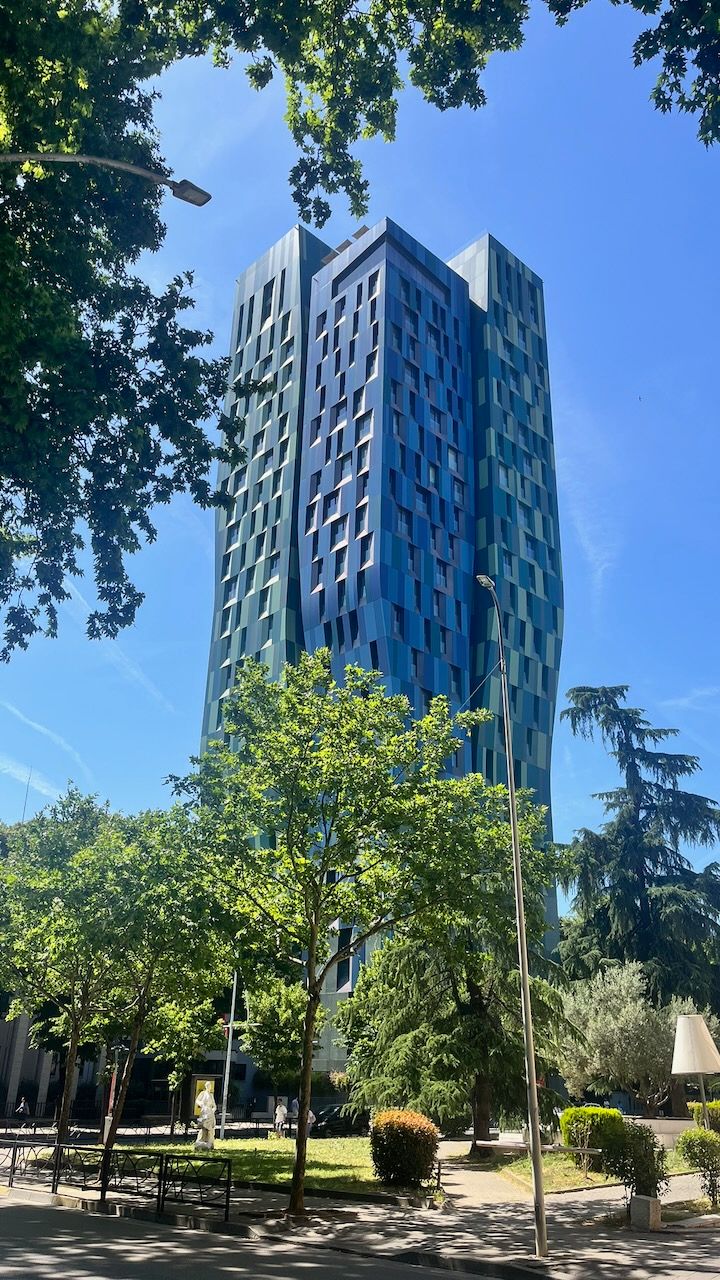
Skanderbeg Square, though, remained the clearest expression of Tirana itself: Ottoman traces, neo-Renaissance buildings, communist monumentalism, and ultra-modern architecture all sharing the same space. It was a city’s history made visible in stone, concrete, glass, and public space.
The tour organisation was excellent too. Communication over WhatsApp made it easy to find the meeting point, and afterwards we were given thoughtful recommendations for restaurants and places to explore further.
Although we did not go inside the museums, mosques, churches, or landmarks such as the Pyramid of Tirana during the ride, the tour gave me exactly what we needed: a sense of where everything was, what each place represented, and which places were most worth returning to with the limited time we had. It was an introduction rather than a checklist, and for that reason it was probably the best possible way to begin discovering this fascinating city.
♢♢♢
By the end of the morning, I felt that I had not simply seen Tirana, but begun to understand it a little: a city shaped by occupation, dictatorship, reinvention, and resilience, and now moving quickly into a future that is still being negotiated. Seeing it by bike made that complexity feel immediate, human, and unexpectedly intimate.
It's now time to explore more of the country and do more bike tours in Albania!
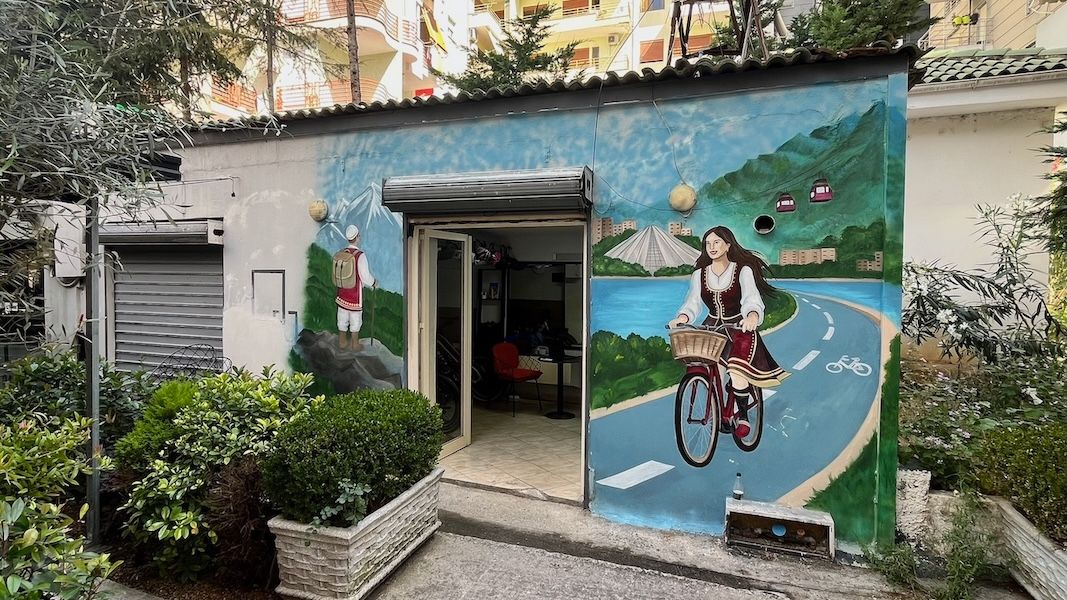
This is the tour that we did:
Prices from
Guided
€ 25
Overview
Tour Operator Bike Tirana
A city-highlight ride built for travelers who want orientation, local context, and a more memorable first day in Tirana.
The route combines the central city, the bazaar area, Grand Park, and the lake area at a relaxed sightseeing pace.
What you can expect on the route
- New Bazaar and central Tirana streets
- Skanderbeg Square and main city landmarks
- Blloku, the Pyramid, and everyday neighborhood context
- Grand Park and the lake area for a greener stretch
- Stops for stories, photos, and practical local tips
Book with the local operator instead of adding another reseller layer between you and the actual tour.