
Should you Visit the World’s Most Overcrowded Tourist Destinations
Bruce Robertson
Tourism brings economic benefits, cultural exchange, and adventure, but it can also lead to overcrowding, environmental degradation, and strain on local communities. Some destinations, renowned for their beauty or cultural significance, now grapple with the consequences of excessive visitor numbers. If you’re considering travelling to one of these hotspots, it’s important to reflect on your impact and consider ways to travel responsibly.
Why Are Destinations Overcrowded?
Overcrowding, or “overtourism,” occurs when there are more visitors than a destination can comfortably accommodate. This can lead to resource shortages, inflated prices, pollution, damage to cultural sites, and a diminished experience for locals and tourists alike. Factors such as social media popularity, cheap flights, and cruise ship arrivals have amplified the pressures on certain places.
The Most Overcrowded Tourist Destinations
- Venice, Italy: Famed for its canals and history, Venice struggles with overwhelming tourist numbers, especially from large cruise ships.
- Machu Picchu, Peru: This ancient Incan site faces erosion and wear from thousands of daily visitors.
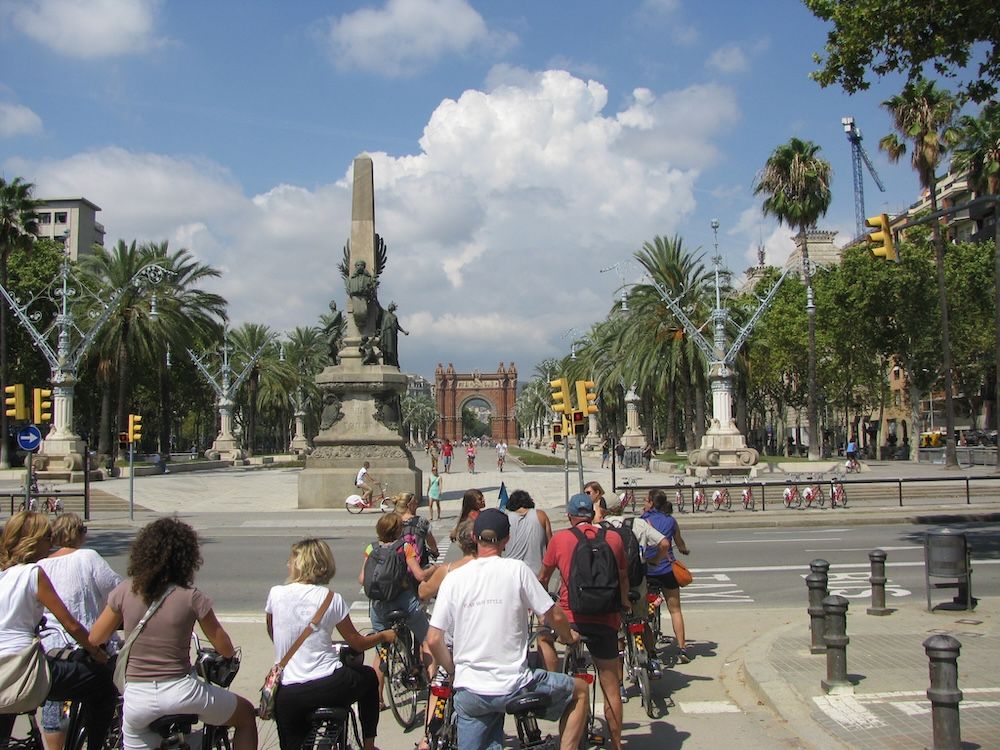
- Barcelona, Spain: The city’s unique architecture and vibrant culture attract millions, straining housing and local services.
- Bali, Indonesia: Once a tranquil paradise, Bali now contends with plastic waste, water shortages, and disrupted local life.
- Dubrovnik, Croatia: The “Game of Thrones” effect has drawn crowds to its Old Town, threatening its historic fabric.
- Great Barrier Reef, Australia: Climate change and tourism impact the reef’s delicate ecosystem.
- Kyoto, Japan: Traditional districts are overwhelmed during peak seasons, affecting heritage preservation and residents’ quality of life.
- Santorini, Greece: The island’s iconic views have resulted in packed streets and infrastructure strain during summer months.
Should You Visit?
Visiting these destinations isn’t inherently wrong. In fact, and almost ironically, these locations rely on and are dependent on the tourism industry. However it is vital to do so mindfully. Consider the following before booking:
- Is your visit contributing to overtourism or supporting sustainable local initiatives?
- Are there less crowded times or alternative places you could experience?
- Will your travel respect the local culture, environment, and residents?
How to Visit Ethically and Sustainably
Travel Off-Peak
- Avoid peak seasons when crowds are at their heaviest. This eases pressure on resources and allows for a more authentic experience.
Stay Longer, Move Slower
- Instead of a whirlwind tour, spend more time in fewer places. This deepens your appreciation and reduces the carbon footprint of frequent travel.
Support Local Businesses
- Choose locally-owned accommodation, eateries, and tour operators. Your dollars will help the community and not just big corporations.
Respect Local Rules and Customs
- Be mindful of dress codes, behavioural expectations, and sacred sites. Learn a few phrases in the local language as a sign of respect.
Reduce Environmental Impact
- Use public transport, cycle, or walk. Avoid single-use plastics, recycle where possible, and be conscious of your water and energy usage.
Limit Social Media Geotagging
- Sharing photos can unintentionally direct more tourists to fragile spots. Consider whether your posts might contribute to overcrowding.
Choose Alternative Destinations
- Sometimes, the best way to be sustainable is to skip the most crowded places entirely and discover less-visited gems.
Travel with a reputable tour operator who will manage all of this for you and who works with the local community (and will continue to do so - it’s in their interest to be sustainable!).
♢♢♢
Tourism can be a force for good, but only if travellers act with awareness and care. If you decide to visit the world’s most popular destinations, do so with a mindset of respect and sustainability. Your choices can help preserve these wonders for future generations—and ensure they remain places worth visiting.